
Understanding the Context
Economic disadvantage involves limited access to essentials like housing, food, healthcare, and education (AIHW, 2023). Families may live pay-to-pay, making them vulnerable to crises like eviction or illness. This stress can affect children’s health, development, and sense of belonging (Moore et al., 2017; O’Connor et al., 2020).

Relevance in Early Childhood Education (ECE):
Children in poverty may face hunger, fatigue, and limited learning materials, impacting their engagement and relationships (ACOSS, 2024; Moore et al., 2017). Parents may also feel stress or shame, reducing their involvement (Baxter & Hand, 2016). Educators can support families by creating inclusive environments and linking with community services (Goodstart Early Learning, 2023).
Theoretical Lens:

Bronfenbrenner’s Ecological Systems Theory
explains how a child’s development is influenced by multiple environmental systems, including socio-economic conditions (Bronfenbrenner, 1979).

Bourdieu’s Social Reproduction Theory
highlights how disadvantage is perpetuated through limited access to social, cultural, and economic capital (Bourdieu, 1986).

Contemporary Reflection: In recent years, rising living costs in Australia—including housing, food, and utilities—have increased financial pressure on low-income families (ACOSS, 2024). The housing crisis has led to overcrowding, unstable tenancies, and higher rates of homelessness for families with young children (AIHW, 2023). Access to affordable childcare remains limited, especially in regional areas. While the Child Care Subsidy helps some families, it often misses the most vulnerable (Baxter & Hand, 2016). Early education must respond to these economic challenges with an equity-focused approach.
Impact on Children and Families
Cognitive development may be delayed due to stress and lack of stimulating environments (O'Connor et al., 2020).
Emotional regulation and behaviour can be affected by instability and unmet basic needs.
Children may attend services inconsistently, and families might engage less due to financial strain or stigma (Moore et al., 2017).
Social Policy and Australian Responses
· Key initiatives: National Framework for Protecting Australia’s Children, Housing Affordability Fund, Child Care Subsidy.
· Data: 17% of Australian children lived in poverty in 2024 (ACOSS, 2024).
· Gaps: Access and cultural responsiveness still need improvement (AIHW, 2023).
Policy Evaluation: While government subsidies and frameworks offer essential support, barriers to access, cultural responsiveness, and long-term outcomes remain a concern (AIHW, 2023).
Strategies for Practice

Provide nutritional support (e.g. breakfast programs, Foodbank Australia).

Offer clothing and hygiene essentials with dignity and care.

Use inclusive, non-judgmental language to avoid stigma

Develop financial literacy and budgeting activities (where appropriate).

Foster trusting and consistent relationships with children and caregivers

Offer flexible attendance and fee relief where possible (Goodstart Early Learning, 2023).
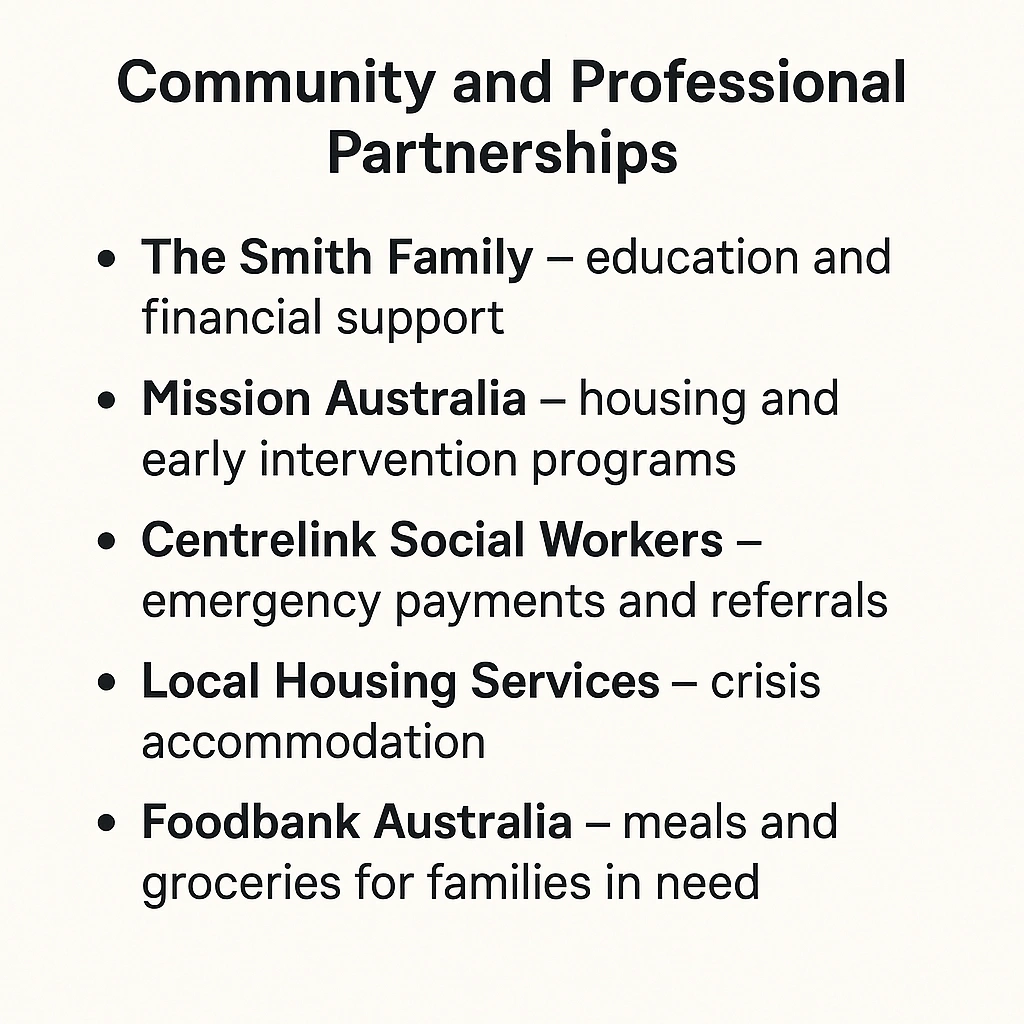
Community and Professional Partnerships
Resources for Educators and Children
Projects, Programs, or Websites

The Smith Family
A national children’s charity supporting disadvantaged children with education resources and mentoring.
Educators can refer families to scholarships and Learning for Life programs. Promotes equity and access to learning materials.

Raising Children Network
Provides expert parenting information tailored to Australian families, including advice on hardship.
Provides educators with strategies to share with families on managing stress and accessing support services.

Brotherhood of St Laurence
Delivers early years programs focused on education, housing, and financial capability.
Educators can connect families with early intervention services and playgroups. Builds resilience through community inclusion.
Every Child by ARACY
Advocates for national child wellbeing with evidence-based solutions.
Supports educator advocacy and awareness. Promotes systemic change and holistic wellbeing approaches.
Storybooks:

"A Chair for My Mother"
Author: Vera B. Williams
Teaches gratitude and saving after financial loss. Encourages empathy and hope through family resilience.

"Maddi’s Fridge"
Author: Lois Brandt
Addresses food insecurity through friendship. Helps children understand how to care for others in need.
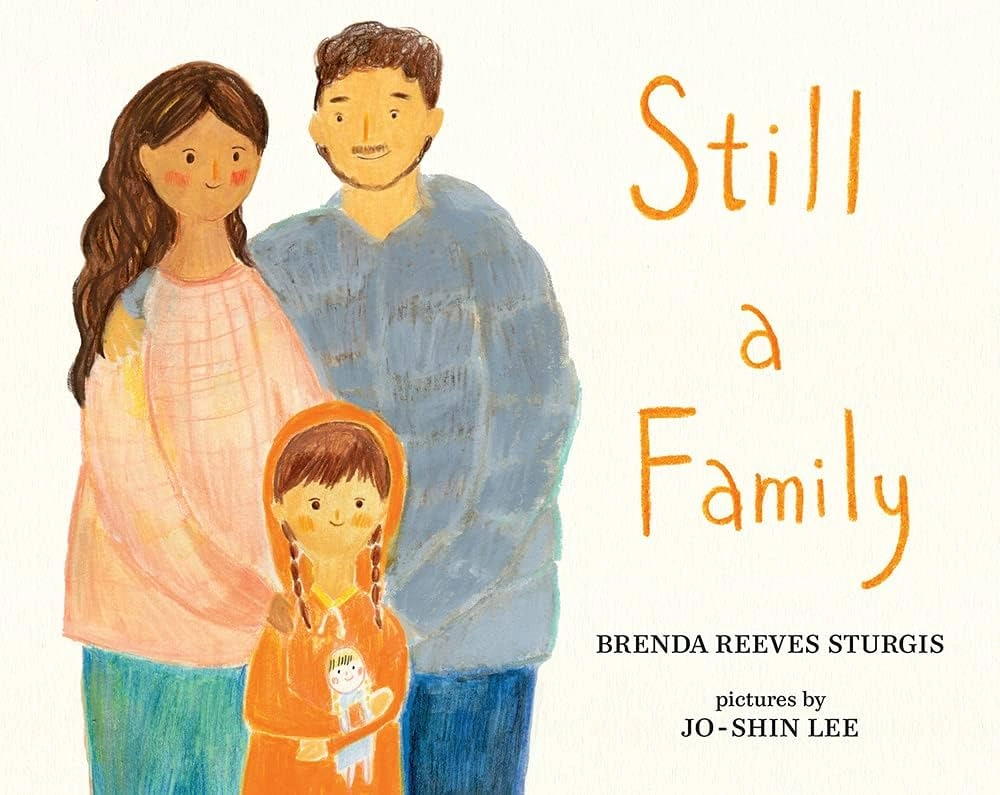
"Still a Family"
Author: Brenda Reeves Sturgis
Explores homelessness and separation with sensitivity. Promotes emotional safety and family bonds.
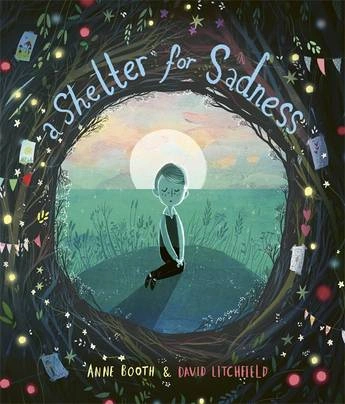
"A Shelter for Sadness"
Author: Anne Booth
A poetic story that validates feelings of grief or uncertainty. Supports emotional resilience and mental health literacy.
Children’s Videos, Educational Shows, or Podcasts

Play School “Family” Episodes
Celebrates family diversity and inclusiveness. Can be used to reflect on different home lives without stigma.

Sesame Street in Communities: Poverty
Introduces complex topics like homelessness in age-appropriate ways. Builds emotional vocabulary and coping skills.

ABC Kids Listen
Provides calming, educational content with accessible language. Supports literacy and emotional wellbeing routines.

Little J & Big Cuz
Represents Indigenous Australian experiences, including community challenges. Promotes cultural connection and overcoming adversity.

How These Resources Promote Understanding, Empathy, and Resilience
Understanding: Books like Maddi’s Fridge and programs like Sesame Street in Communities allow children to learn about financial hardship through storytelling and character experience, making the abstract concept of poverty more concrete and relatable.
Empathy: Storybooks and media representations that show children helping each other (A Chair for My Mother, Little J & Big Cuz) encourage perspective-taking and emotional connection with peers who may be experiencing hardship.
Resilience: Resources such as Still a Family or A Shelter for Sadness validate complex emotions and show children that they can adapt, cope, and maintain hope even during difficult times. Educators can use these resources to foster open conversations and build social-emotional skills.